 Decision Tool
Memory stack picker
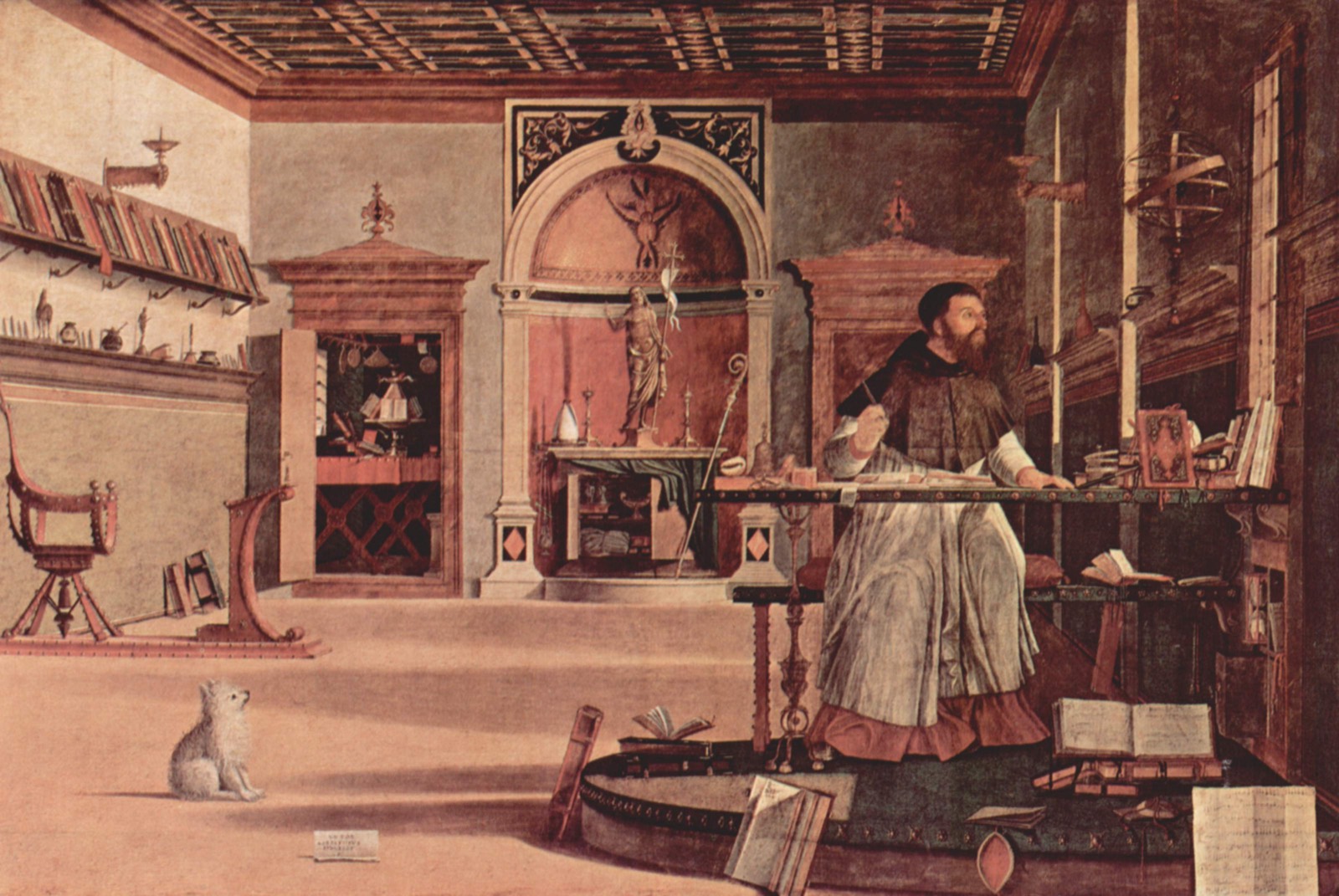
Vittore Carpaccio, Vision of St Augustine, 1502
Answer the questions below. The flowchart lights up your path, and the card at the bottom shows the recommended stack, layer by layer, with costs and the caveat that matters. Companion to How to give your AI a memory.
Who plugs into the memory?
Count the humans and agents that will read and write it. This one answer does most of the work.
Answer the questions above and the stack appears here.
What the picker decides
Every AI memory setup answers one question first: who plugs into the memory. Just you, a small team, or the users of a product you ship. The rest of the tree follows from that, because the three cases have different failure modes. A solo operator who buys team infrastructure pays for walls nobody needs. A ten-person company sharing one brain with no walls leaks the first private note into everyone’s context.
If it is just you
When your work lives in one tool, the answer is the memory that tool already ships. Curate it monthly and write nothing new. When your work spans tools, add a folder of Markdown notes (Obsidian over MCP) as a shared reference layer. Retrieval is grep-grade and that is usually enough. Upgrade to gbrain, the open-source brain built by Garry Tan, when you want hybrid search, an entity graph, and overnight enrichment jobs. It costs single-digit dollars a month and wants a machine that stays on.
If it is your team
One question decides it: does anything in the memory need to stay private. If the answer is no and the group is under about five people, a shared Markdown repo plus one gbrain workspace works. The moment the store holds client pricing, HR notes, or a candidate pipeline, you need permissions the memory system enforces itself. Run that yourself with gbrain’s company mode, where each person’s login scopes what a query can return, or buy it as a service from Hindsight and skip the ops. Either way the rule holds: permissions live in the store and get checked on every query. An agent told to keep a secret is filtering by politeness, and politeness leaks.
If it is your customers
Memory stops being plumbing and becomes a feature. Give each user an isolated tenant, which is what Hindsight was built for, and add Honcho if the product should adapt to each person’s style rather than just recall their facts. Model the per-usage pricing before launch, and build two answers on day one: what does this remember about me, and can you delete it. Retrofitting both is miserable.
The order matters more than the vendor. Tools churn and files last. Whatever memory system wins the next two years will read plain text, so every note you write today transfers. Start with the writing habit, and buy infrastructure only after a month of it. The full reasoning is in How to give your AI a memory, and if you want it applied to your business, that is what the assessment is for.